Towards better energy security in Europe
The Russian invasion of Ukraine is making Europe fundamentally rethink how it’s keeping its lights on.
Gas market prices are hitting record highs, with European households likely to bear the brunt as energy costs rise. As gas bills double or even triple, more and more households are at risk of falling into energy poverty. In an EU-wide survey in 2020, 8% of people said they were unable to keep their home sufficiently warm – and soaring gas prices mean this number will rise.
Russia is Europe’s largest supplier of natural gas, representing 40% of the continent’s gas intake. The EU imported 155 billion cubic metres of natural gas from Russia in 2021. Some markets, like Germany, rely on Russia for 60% of their gas consumption. Further east, that percentage is even higher.
Europe’s dependence on Russian gas is becoming increasingly risky and uncomfortable for the continent’s leaders. EU climate ambitions had already led the bloc to reconsider its natural gas intake, and current events have added a sharp sense of urgency. Russia’s gas taps remain open for now as war rages, but for how long? The EU has announced plans to become independent of Russian oil, gas and coal by 2027. Yet in a highly volatile situation, pressure is mounting for swift action.
As European leaders urgently seek alternative energy sources, the pressing question is: what can we do to help countries to be energy independent?
And what role can buildings, and their users, play in this? A very significant one, judging by the numbers. Heating and cooling of homes and other buildings accounts for around 40% of Europe’s energy intake, so the built environment plays a major role in Europe’s energy consumption.
Moving away from natural gas towards more environmentally friendly ways of heating buildings and water is vital. As current events make so clear, there’s no time to lose. Policymakers, our industry and end-users need to work together to accelerate the pace towards efficient and renewables-based heating – enabling the energy transition our planet so desperately needs.
Heat pumps, hybrids and high-efficiency boilers
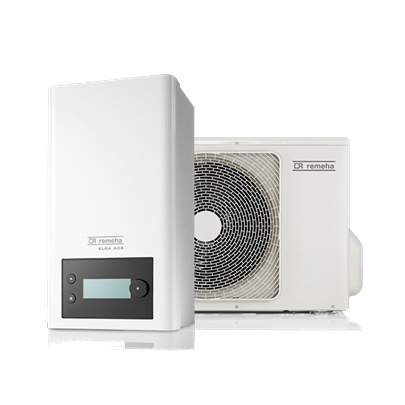
Electrifying heat and domestic hot water can reduce gas use. Heat pumps too are highly efficient, transferring heat indoors from an outdoor renewable source of air or water. Today's heat pumps work well in soundly insulated houses with underfloor heating or optimised radiators, and these are typically found in new-build settings.
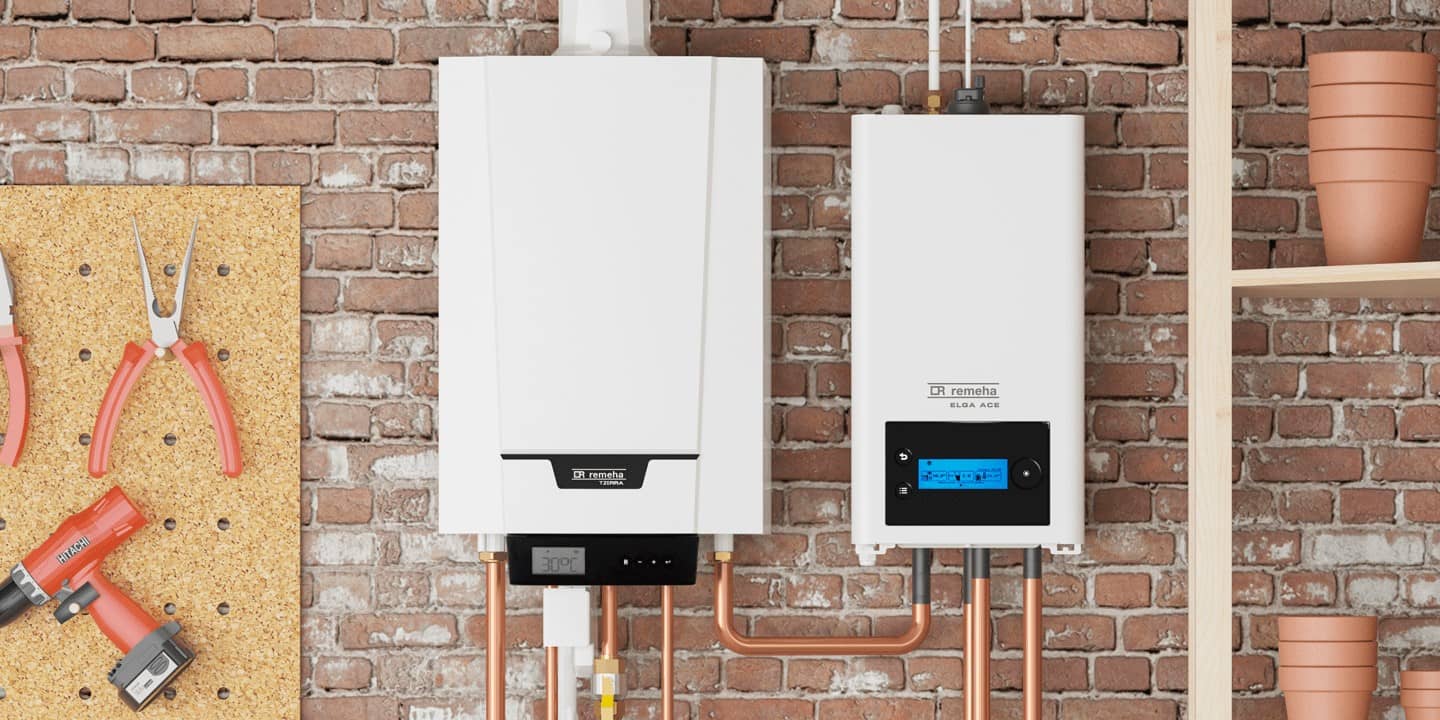
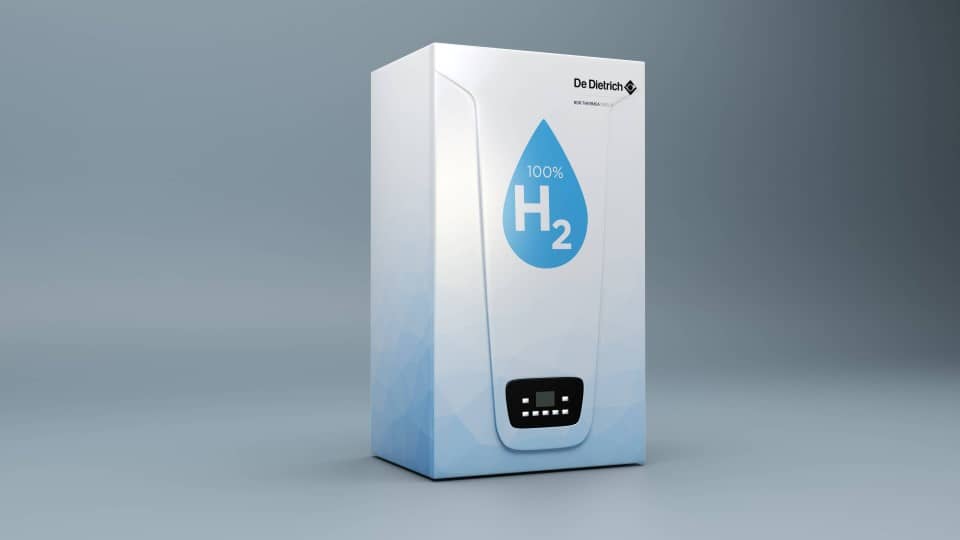
One of the easiest ways to cut gas intake for existing buildings is to replace standard gas-condensing boilers with high-efficiency models. By recovering more heat from the same amount of energy, high-efficiency boilers immediately reduce gas use by 30%. Yet although legacy systems supply 60% of heating for buildings, just 4% of them are replaced each year. So the industry needs to speed up the replacement of old systems.
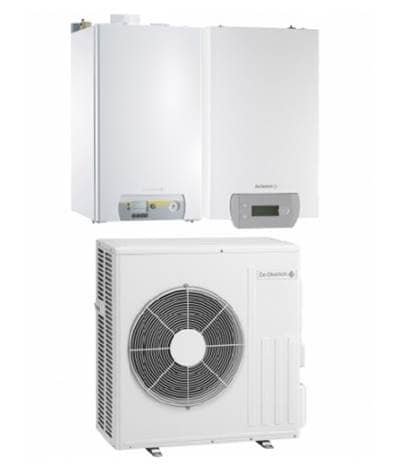
Hybrid heating is a no-brainer when it comes to reducing fossil fuel consumption. Pairing an existing gas or fuel-based boiler with a heat pump immediately cuts fossil fuel use. A hybrid configuration that combines a heat pump with a modern gas boiler saves another 70% in gas use. Such hybrids can easily be installed at the individual household level without any large-scale renovations. And while an all-electric heat pump is a great solution for new, well-insulated buildings, hybrid heat pumps are a perfect fit for millions of existing homes with diverse heating and cooling needs.